00
Days
Escape to Ireland with award-winning author Seána Tinley
Heartwarming tales of love, family, and community
Check out the Irish Midwives Series – heartwarming and hopeful stories of love and community in Ireland against a backdrop of World War Two
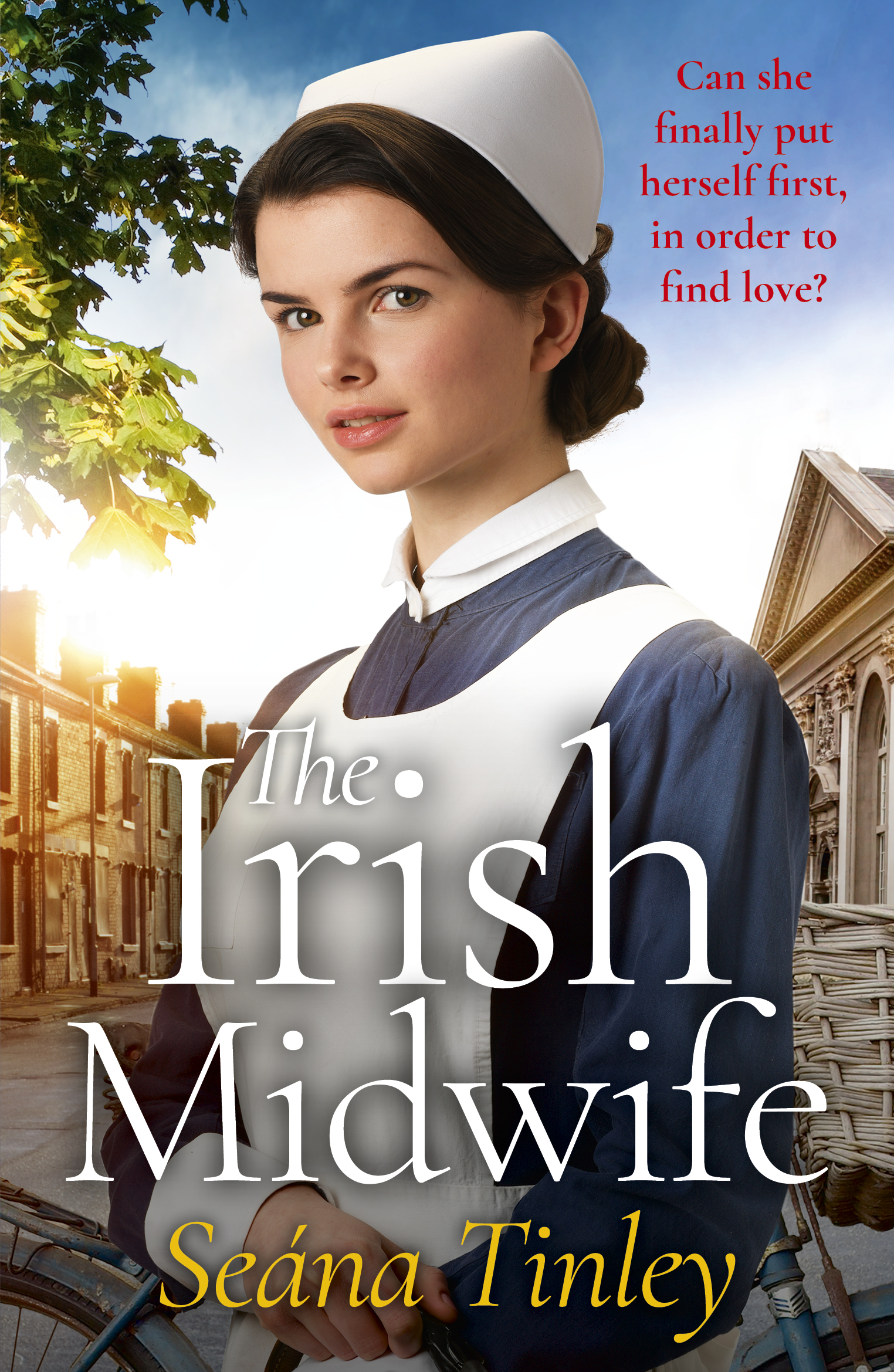
Can she finally put herself first, in order to find love?
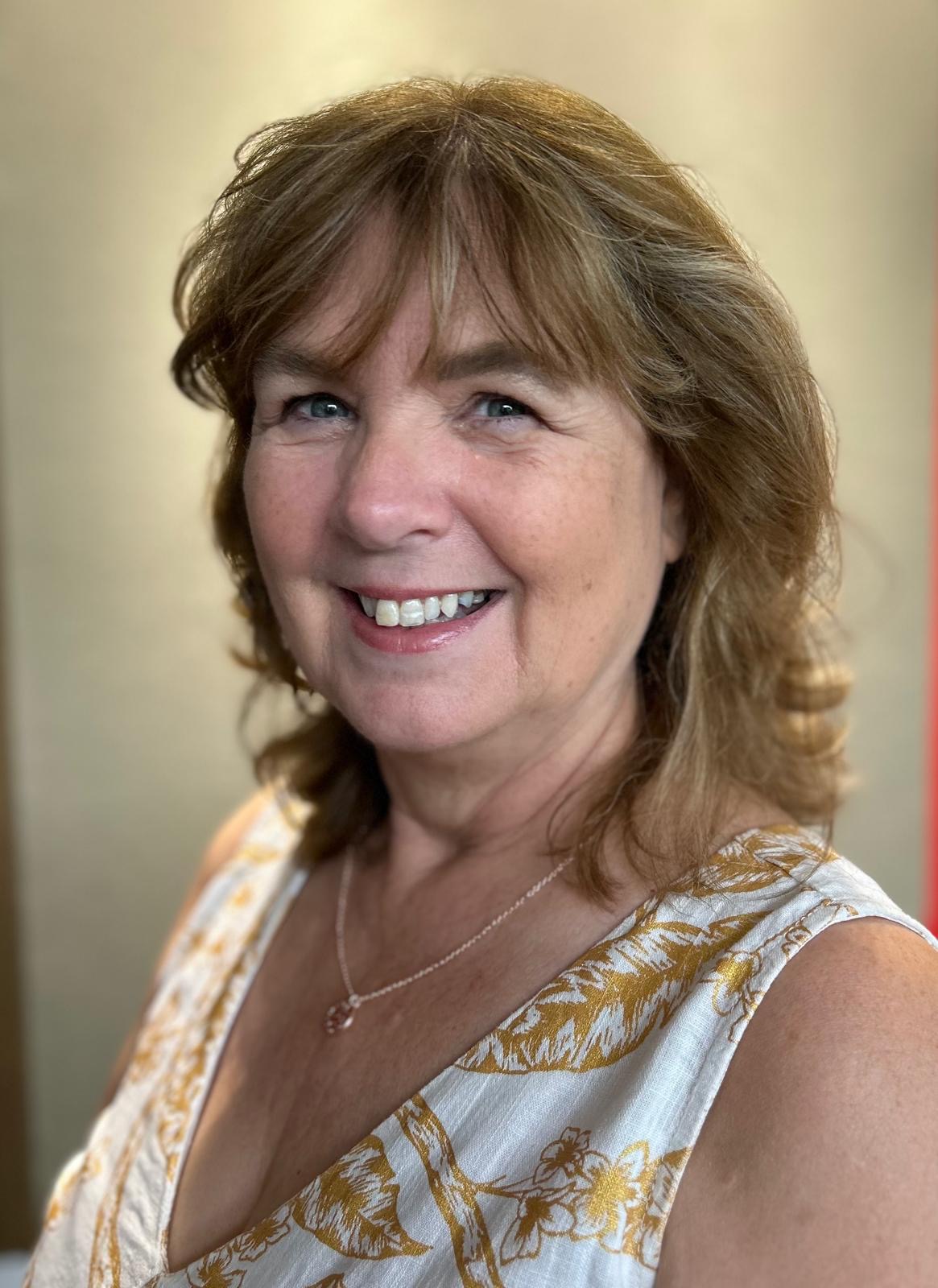
Seána Tinley is an award-winning Irish author.
She writes saga historical romance with a strong emphasis on women’s social history—like Call the Midwife, but in 1930s Ireland. She also writes regency romance as Catherine Tinley.
She has won a Rita® Award, two RoNA Awards, and the HOLT Medallion, and her books have been translated into eleven languages. Two have also been published as manga graphic novels.
After a career in speech & language therapy and leading roles in charities and healthcare, she now works as NI Country Director for a UK charity. Seána was appointed chair of the Romantic Novelists’ Association in 2024. She lives in County Down with her husband, children, and dog.
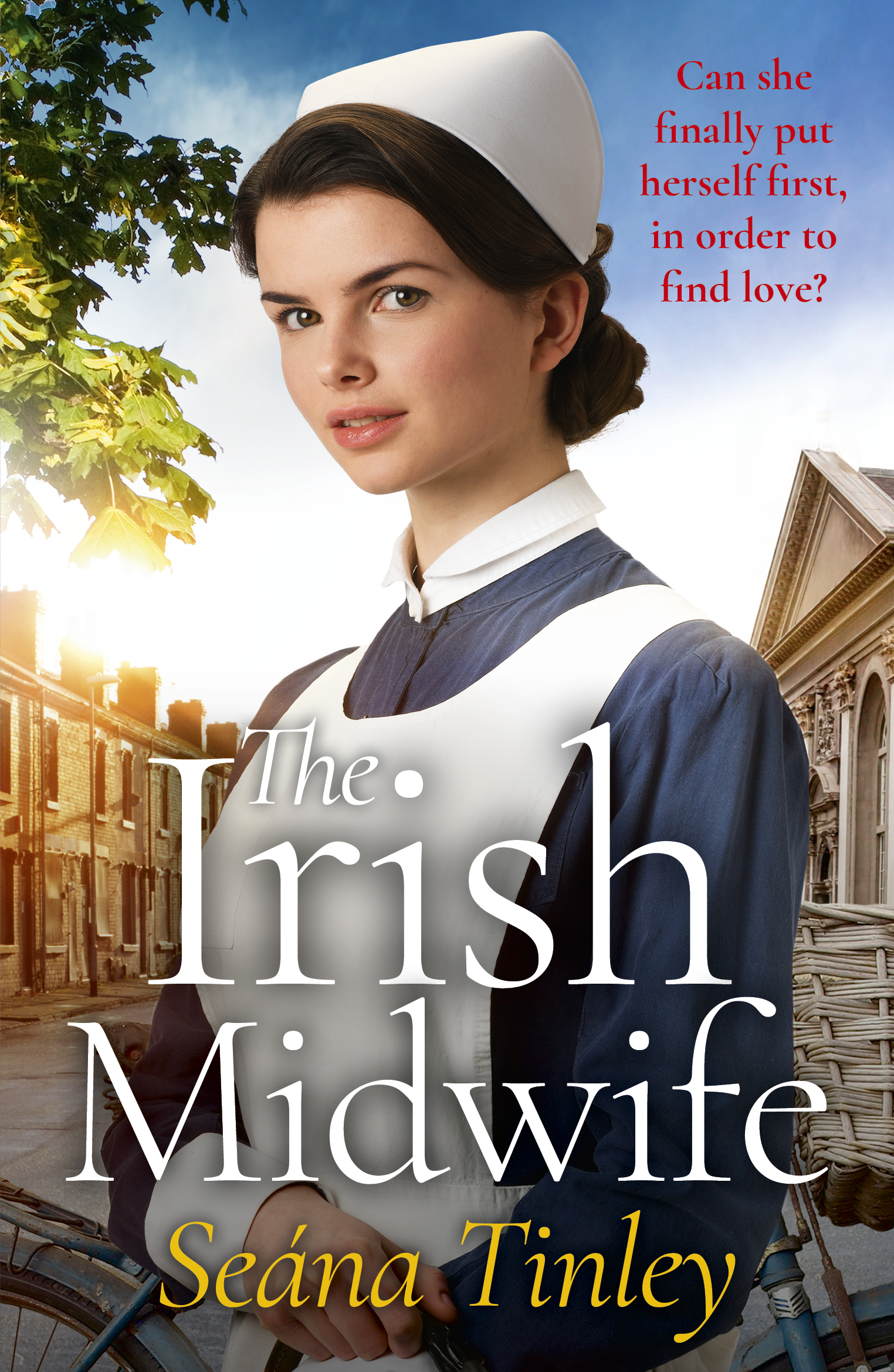
The Irish Midwife
The brand-new, heartwarming historical romance set just before WW2. Can Peggy Cassidy finally put herself first, in order to find love?
Peggy works as a milly in Belfast’s linen mills, but she also has another secret job: a handywoman — an illegal midwife tending to her community.
When offered the chance to formally train in Dublin, her life changes forever… but secrets from her past threaten everything she has built.
Available in E-book





Available in Paperback


Available in Audio

The Irish Midwife at War
Launching 26th March, 2026Kathleen Gallagher is an illegal midwife in West Belfast. When war arrives, she trains as a first-aider alongside Liam Flynn, her best friend’s brother.
As Nazi planes rain bombs on Belfast, Kathleen faces unimaginable trials testing her courage, loyalty, and love.
Available in E-book
Available in Paperback
Audio Book

Romantic, heartwarming, and beautifully written.
Engaging from the first page — I couldn’t put it down!
Five stars. Wonderful characters and rich historical detail. A must-read for Call the Midwife fans.
Instantly captivating — the story hooked me from the start.
Sign up to my occasional newsletter!
Simply click on this link add your details and subscribe to get updates on my new books, competitions, and workshops sent to your inbox!
You can unsubscribe anytime.
Send a message or enquiry

Seána with her dog on a walk in County Down
Last updated 2025-09-02 14:41
In my books I occasionally use words and phrases that are either from the Irish language (gaeilge) or are 'Hiberno-English' (Irish-English). This means they are used by speakers of English in Ireland, and are unique to our island.
I hope you enjoy these. Please do contact me on socials or if I've missed anything!
| Term | Meaning |
|---|---|
| Annoy | v. To upset. "Now don't be annoying yourself. He didn't mean it." "She's all annoyed because her wee dog died" |
| At's us nai | 'That's us now'. All done! We're ready! Pronounced 'At's us nai' in Belfast /ats ʌs nai/ |
| Aye | Yes |
| Be /Bees/Do be/Does be | Present habitual tense - directly mapping the Irish language, which has different words for "I am" (tá mé) versus "I be" (bíonn mé). "I be busy every Wednesday" "He bees there every day" = Bíonn sé ansin gach lá. "She does be tired by Friday" |
| Boul' | adj. Literally, bold. Sassy, cheeky, or (in relation to children) badly-behaved pronounced /boul/ |
| Cat / cyat / kyet | Bad. That's kyet = that's really terrible |
| Champ | n. A meal of potatoes mashed with milk, butter, and sometimes eggs, frequently with scallions (spring onions) added |
| Childer | Children. Pronounced chill-der or chill-dher with a dentalised d |
| Chile | n. Child (rhymes with mile) |
| Clan/clann | Family, tribe. Can also mean 'children' in Irish |
| Class | adj. Great, wonderful. Northern. |
| Clout | A slap |
| Courting | v to court = to be in a boyfriend/girlfriend relationship. The meaning later changed to 'kissing' but in the 1930s/40s it referred to a relationship. Often pronounced 'koortin' |
| Craic | n. 1. Fun: 'We'll have good craic.' 2. News: 'What's the craic?' = 'What's up? What's happening' 3. The score, as in 'we both knew the craic' = we both knew the score/what was relly happening. Sober tone. |
| Cupla | Irish: a couple of. Cupla focal = a few words |
| Céilí | A dance evening featuring traditional Irish group dances. Pronounced kaylee /keili:/ |
| Damn sures | Definitely: Damn sures they're not getting it = They're definitely not getting it |
| Desprit | Desperate; used to signal that something is terrible or awful |
| Doing a line/doing a steady line/going steady | Courting. Boyfriend/girlfriend. "They're doing a line this long time" = they've been a couple for quite a while. |
| Eejit | n. Idiot - pronounced /i:d͡ʒɪt/ i.e. eejit! |
| Fair play to you! | Well done! |
| Fancy | 1. adj. elaborate or luxurious. 2. Verb 'to fancy someone' = to be attracted to someone |
| Farl/Soda farl | n. A type of soda bread cooked on an iron griddle on top of the stove instead of in an oven. |
| Feck/feckin | Mild expletive, used in place of a stronger, similar sounding word |
| Fella | n. Fellow, guy. Northern |
| Foundered | adj. Very cold. "I'm foundered". "That weather would founder you". |
| GAA | Gaelic Athletic Association. Governing body for gaelic games. |
| Gaelic | n. Short for gaelic football (NB the language is called 'Irish' not 'Gaelic') |
| Get (n) | Bastard - but milder language. "He's a cheeky get" |
| Give off | v. To tell someone off or have a rant about something |
| Give over! | Stop talking! Let it go! Quit that! |
| Go you…! | Imperative "Go you downstairs!" = "Go downstairs!" In Irish the verb always comes before the pronoun, which has persisted in a few set phrases. See also 'Says I' (I said) |
| God love you/him/her/them | An expression of pity and concern |
| Great with | Friendly with: she was very great with Sally. |
| Hallion | Scamp, rough person |
| Happed up | Wrapped up against the cold |
| Header | An unstable person; also sometimes described as a "head-the-ball" |
| Howya | Hello (literally, how are you?). Southern, particularly Dublin |
| I done/I seen | I've done/I've seen. Northern. From the Irish language, where there is no equivalent of perfect tense, just simple past |
| Irish | The native language of the island of Ireland. Not to confused with gaelic (adj) generally used to describe cultural activities native to Ireland, such as gaelic football or, more widely, gaelic games |
| Kat/Ket | Terrible. Pronounced kyet. |
| Lasher | n. Good looking woman (southern, particularly Cork) |
| Let on | v. To pretend: directly from the Irish language - lig ar (literally let on) = to pretend |
| Like an imp | In a cross mood |
| Lock | n. A bundle, a few. A lock of sticks for the fire. |
| Lookit | Look - in the sense of explaining something as part of a tale: Lookit, I didn't want any trouble, so I… |
| Lose the run of yourself | Lose control, get carried away. Negative, often applied to out of control anger or anxiety |
| Mind (v) | To remember. "Do you mind the day we met?" |
| Nahin | Belfast: nothing /nahIn/ |
| Nordie | n. Person from the north |
| Notion/s | n. 1. Idea. 2. Having inflated ideas about yourself: 'You better stop telling me how great I am or I'll be getting notions! 3. 'To have a notion of/on/for someone' = to be attracted to them, to have a crush on them |
| On the way out | Dying |
| Oul' | adj. Old. Pronounced owl. |
| Oul' flower | Me oul flower. Endearment, Dublin |
| Our ones | My brothers and sisters/my family. Also 'your ones', 'his ones' etc |
| Own name | Maiden name. Used with 'to'. My Ma was Doyle to her own name. |
| Pass no remarks [on something/someone] | v. Ignore. 'Pass no remarks on him. He's just lookin for attention' |
| Poke | n. Ice cream cone |
| Polis | Police. Pronounced poliss |
| Quare | Quite a: That's a quare wind! = That's quite a wind. Northern. |
| Raging | adj. Very angry. Pronounced ragin /reɪd͡ʒɪn/ |
| Red up | Tidy up |
| Says I | I said' - used particularly when telling a story. Word order as used in Irish |
| Scundered | Embarrassed |
| Seanfhocal | Irish word meaning proverb. Literally 'old word'. Plural is seanfhocail. Pronounced shan-ukkle. |
| Shook (adj) | Shaken up emotionally. "After hearing the news, he was shook." Southern. |
| Skitter/skither | A naughty child. Can be said with irritation or affection (or a mix of both) [skɪtʼər] |
| Slabber | v. 1. Blab / share a secret inappropriately. 2. Talk nonsense at length. N. 1. Saliva. 2. Be a person who talks nonsense at length or is boastful. "He's nothin but a slabber" |
| Slagging | v. Teasing: to slag/slag off someone |
| Sound | Nice, decent. A good person. |
| Spuds | Potatoes |
| Tae | Tea (Irish). Pronounced 'tay' |
| Taig | Derogatory term used to refer to Catholics. Based on the Irish boy's name Tadgh |
| That's us now | Belfast expression, meaning we're ready/done. Pronounced 'At's us nai'. /ats ʌs naɪ/ |
| Themmuns | Belfast: 'them ones' = those people |
| There now | Just now |
| Thick | 1. Lacking in intelligence. 2. Angry "He took it thick" = he reacted angrily. |
| Thon | That, yon. Thon Dr Sheridan = That Dr Sheridan |
| Under the knife | Surgery. From Irish: dul faoi scian = go under the knife |
| Up the stick | Pregnant |
| Warm ear | a slap on the ear, as in 'I'll give you a warm ear!' referring to the burning sensation afterwards |
| Wee | adj. Small |
| Well! | Hello (parts of Northern Ireland) |
| Well-met | As bad as one another. The two of them are well-met! |
| What about ye? /Bout ye? | How are you? Belfast informal greeting |
| Whisht! /Houl' yer whisht! | Shush! Be quiet! Directly from the Irish word isht!, meaning hush! Sometimes pronounced 'Wheesht!' |
| Wise up! | Don't be foolish! Usually used in a friendly manner. Northern. |
| With one arm as long as the other | With empty hands and nothing to do |
| Yap (v) (n) | To yap = 1. To cry 2. To complain. "Stop your yappin, child" "He's always yappin aboput something" "He's such a yap" |
| Ye | You, plural. Southern. |
| Yer man | That man. Yer man from Dublin, Yer man with the hair |
| Yer one/Yer woman | That woman. Yer one = southern. Yer woman = northern. |
| You may do… | Imperative. You may go quick = go quickly |
| Your ones | Your brothers and sisters/your family |
| Yous/Yiz | You, plural. Northern. |